


How to Create a Stunning Maryland Garden with Year-Round Seasonal Plants
- Schofield Outdoors Lawn and Landscape
- Apr 13, 2025
- 4 min read


Creating a beautiful garden isn't just a hobby; it's a way to elevate your living space and enjoy nature's beauty all year long. Imagine stepping outside in February to see vibrant blooms peeking through the snow or in October, when your yard transforms into a stunning canvas of reds and golds. This guide will help you choose the perfect seasonal plants to ensure your garden remains lush and captivating regardless of the season.
Understanding Maryland's Climate
Maryland's climate, sitting in the Mid-Atlantic region, features humid subtropical conditions. With four distinct seasons, each brings unique temperature changes and rainfall patterns.
Spring offers mild weather that encourages new growth.
Summer can be hot and humid, making plant selection crucial.
Autumn dazzles with colorful leaves, showcasing nature's transformation.
Winter can be cold, highlighting the beauty of evergreens and the dormant life beneath the snow.
To create a year-round garden, it’s essential to pick plants that thrive in these seasonal conditions.
Spring: The Season of Renewal
Spring is all about revival, offering the first chance to inject color into your garden after winter's gloom.
Flowering Bulbs
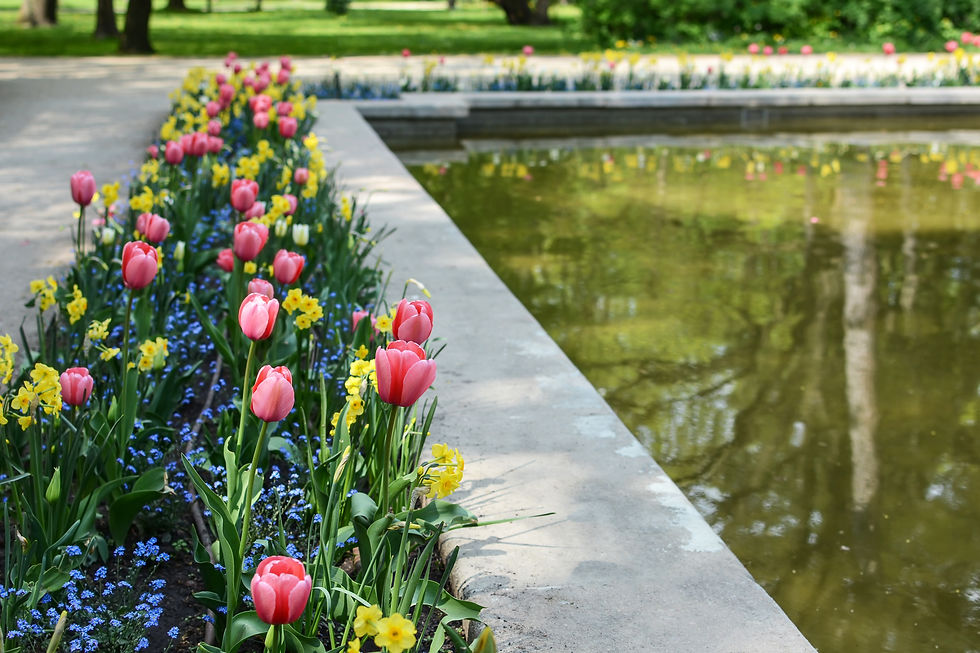
Plant hardy bulbs like daffodils and tulips. Tucked in the ground, daffodils can thrive even in frost and bloom spectacularly in sizes from 6 to 18 inches tall. These cheerful flowers signal the end of winter and can be seen in many gardens across the state.
Perennials
Include perennials like daylilies and peonies in your spring lineup. These resilient plants not only produce beautiful blooms but also come back year after year. For instance, peonies can live for over 50 years, making them a long-term addition to your landscape.
Summer: Vibrant Colors and Fragrance
As temperatures climb, your summer garden needs plants that can stand the warmth while providing bold colors and uplifting scents.
Annuals
Brighten your space with annuals like zinnias and marigolds. Zinnias can grow up to 4 feet tall and bloom in a variety of colors, providing continuous blooms from June through frost. Marigolds are easy to maintain and known for their pest-repelling qualities.
Perennials
Consider summer perennials like black-eyed Susans and coneflowers. Black-eyed Susans can thrive in full sun and drought conditions, often blooming from June to September. These plants are resilient and require little care, making them ideal for busy gardeners.
Autumn: A Tapestry of Color
Maryland's autumn season is celebrated for its breathtaking foliage, making it the perfect time to add plants that celebrate this season of change.
Ornamental Grasses

Incorporate ornamental grasses like Miscanthus and Pennisetum. These grasses, ranging from 3 to 8 feet tall, add height and movement to your garden from September through winter. Their golden tones enhance the falling leaves.
Asters and Mums
Asters and chrysanthemums are fall favorites, displaying vibrant colors right when many flowers fade. Asters can bring purples and blues that last until the first
frost, while mums bloom in a variety of warm hues like red, yellow, and orange.
Winter: Embracing the Chill
Don't let winter's cold deter you. This season can still offer beauty with the right plants.
Evergreens
Evergreens like holly and cedar are essential for providing lasting structure and color. Holly, with its bright red berries, can add visual interest even when covered in snow. Cedars provide a lush backdrop and can reach heights of up to 60 feet.

Winter Blooms
Plants such as camellias and winter jasmine are excellent choices that bloom in winter. Camellias can produce flowers in various shades, including pink and white, while winter jasmine can add a cheerful yellow to your winter landscape.
Strategies for Year-Round Beauty
Soil Preparation: Start with high-quality soil. Mix in compost to enhance drainage and fertility, helping your plants thrive through the seasons.
Plan for Change: Choose diverse plants that complement each other, ensuring something is always blooming or vibrant.
Use Mulch: This retains moisture and suppresses weeds, crucial for garden upkeep.
Group Plants Wisely: Arrange plants based on their water and light requirements for easy maintenance and healthier growth, and space them accordingly to allow them to grow in size as they mature.
Creating Your Timeless Garden
Designing a stunning garden in Maryland requires careful thought and an awareness of seasonal plants. By planting a harmonious mix of flowers, perennials, and evergreens, you can achieve an inviting outdoor space that delights throughout the year.
From spring's lively blooms to winter's serene evergreens, the right plant choices are essential for building a beautiful garden. With patience, knowledge, and a bit of planning, transforming your yard into a year-round haven is within reach, providing joy and beauty for you and your family.
Embrace this guide and let Schofield Outdoors help start your gardening journey today!


Comments